Youth Development Association Conducts Awareness Workshop on Protecting Families from Winter Risks at Natouf Camp in Al-Masha’la
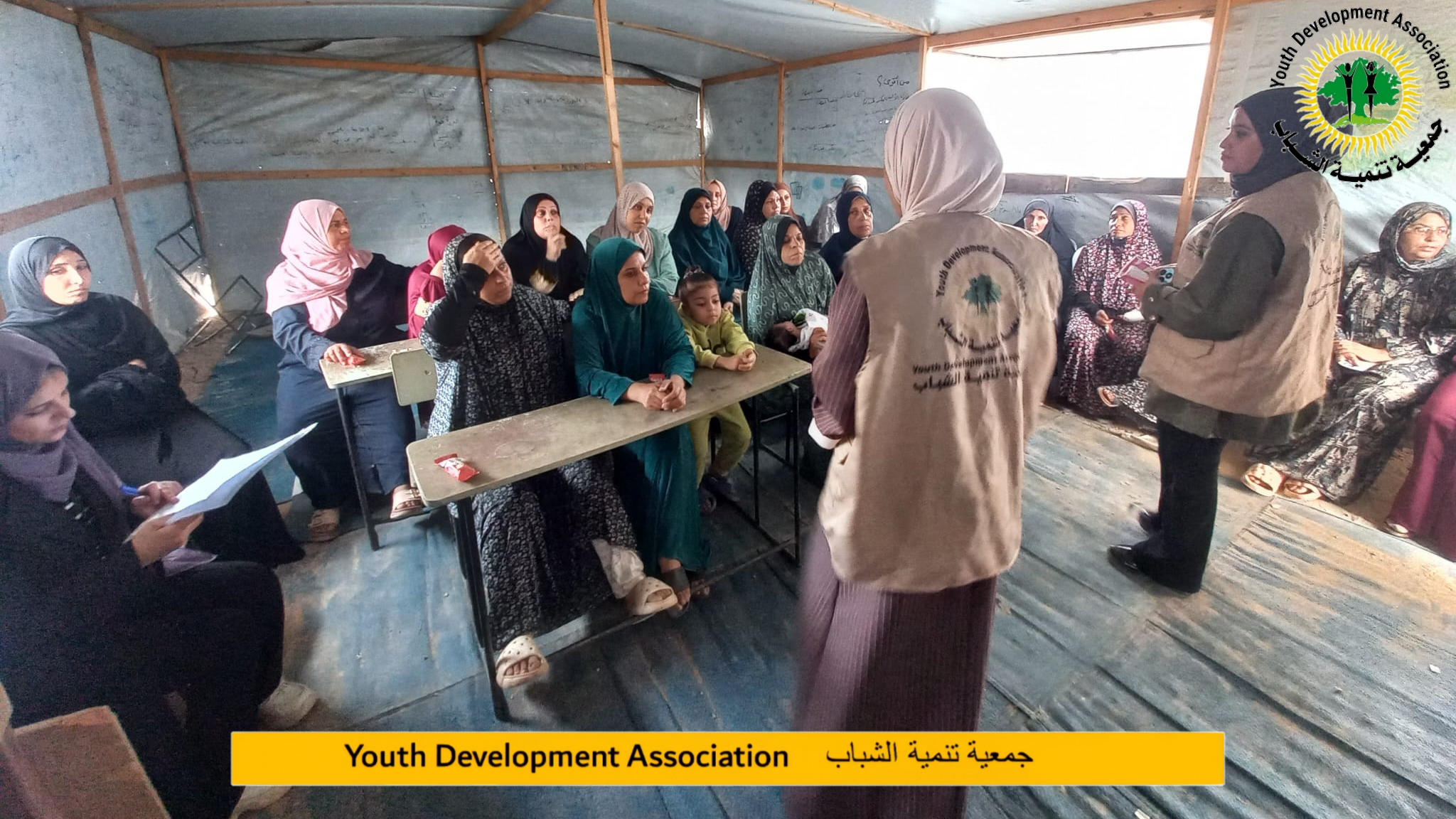
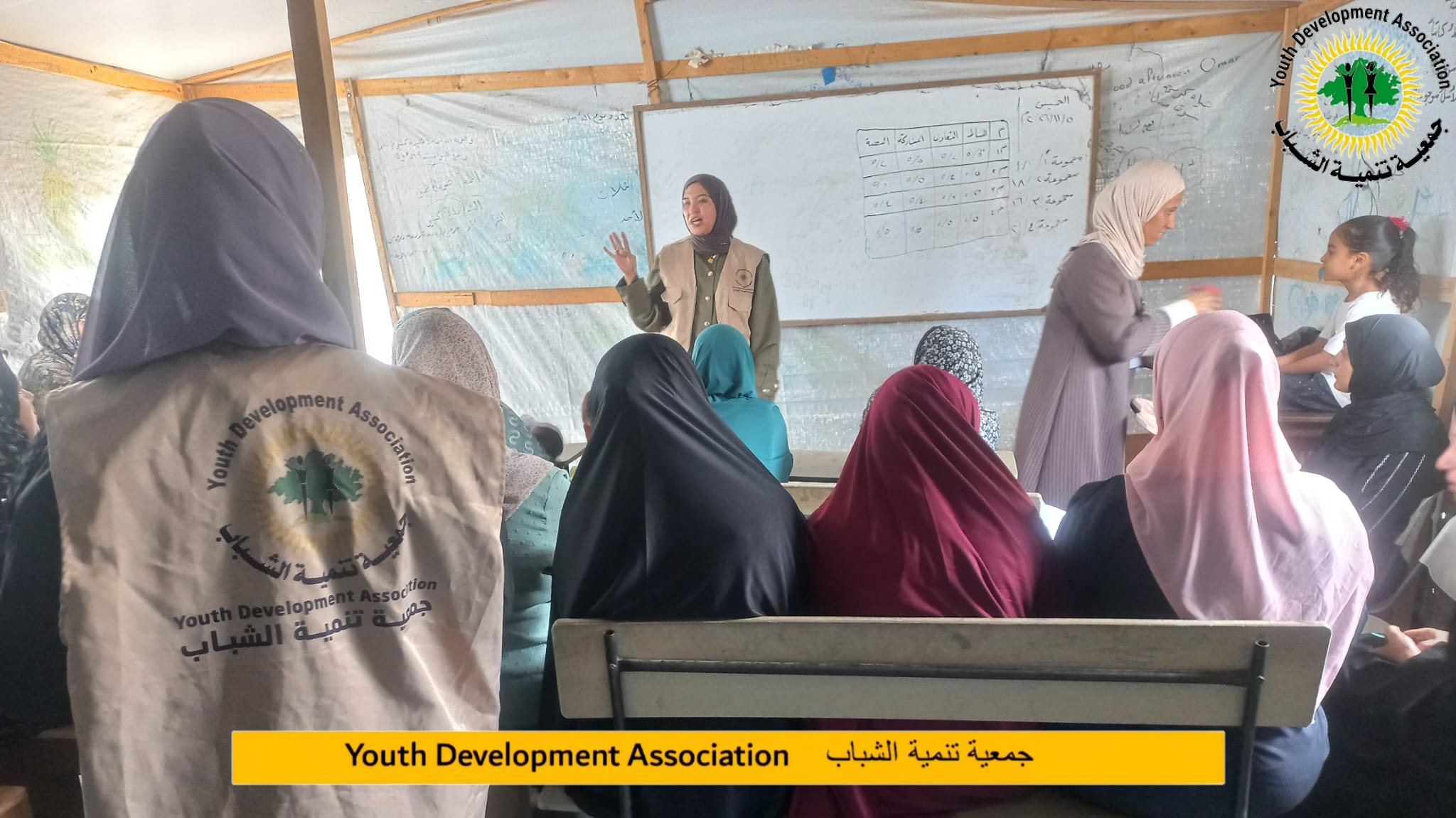
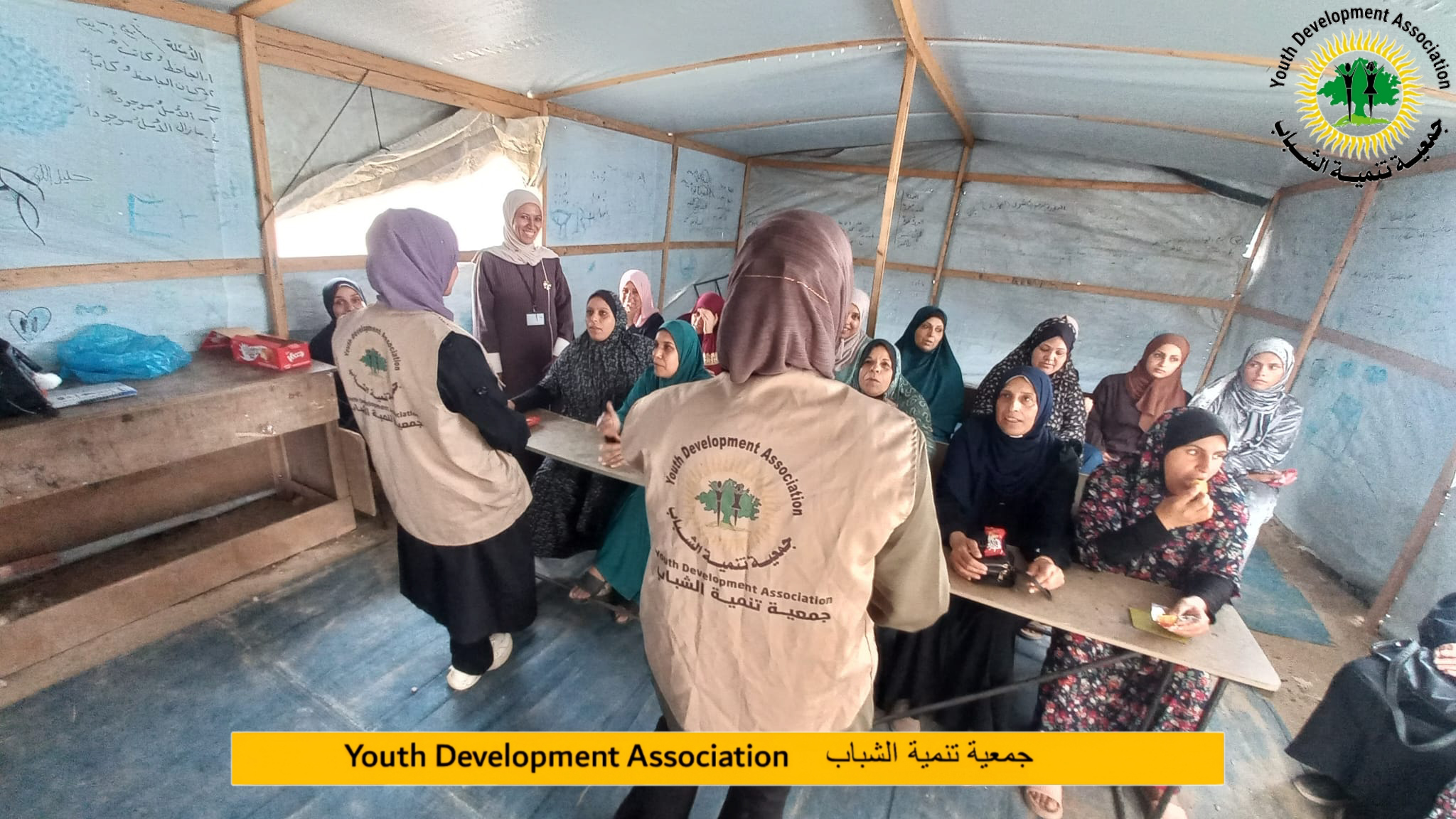
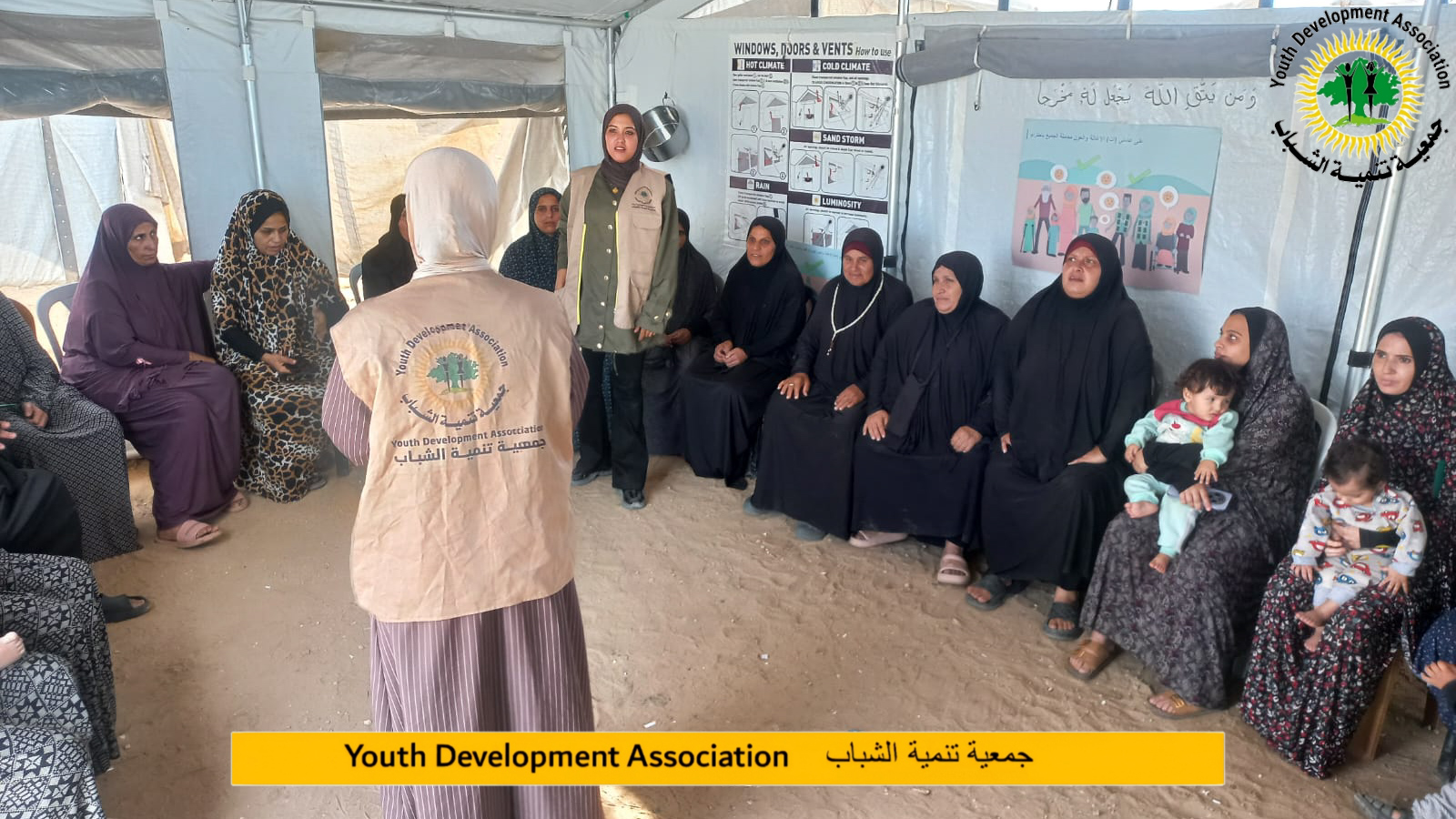
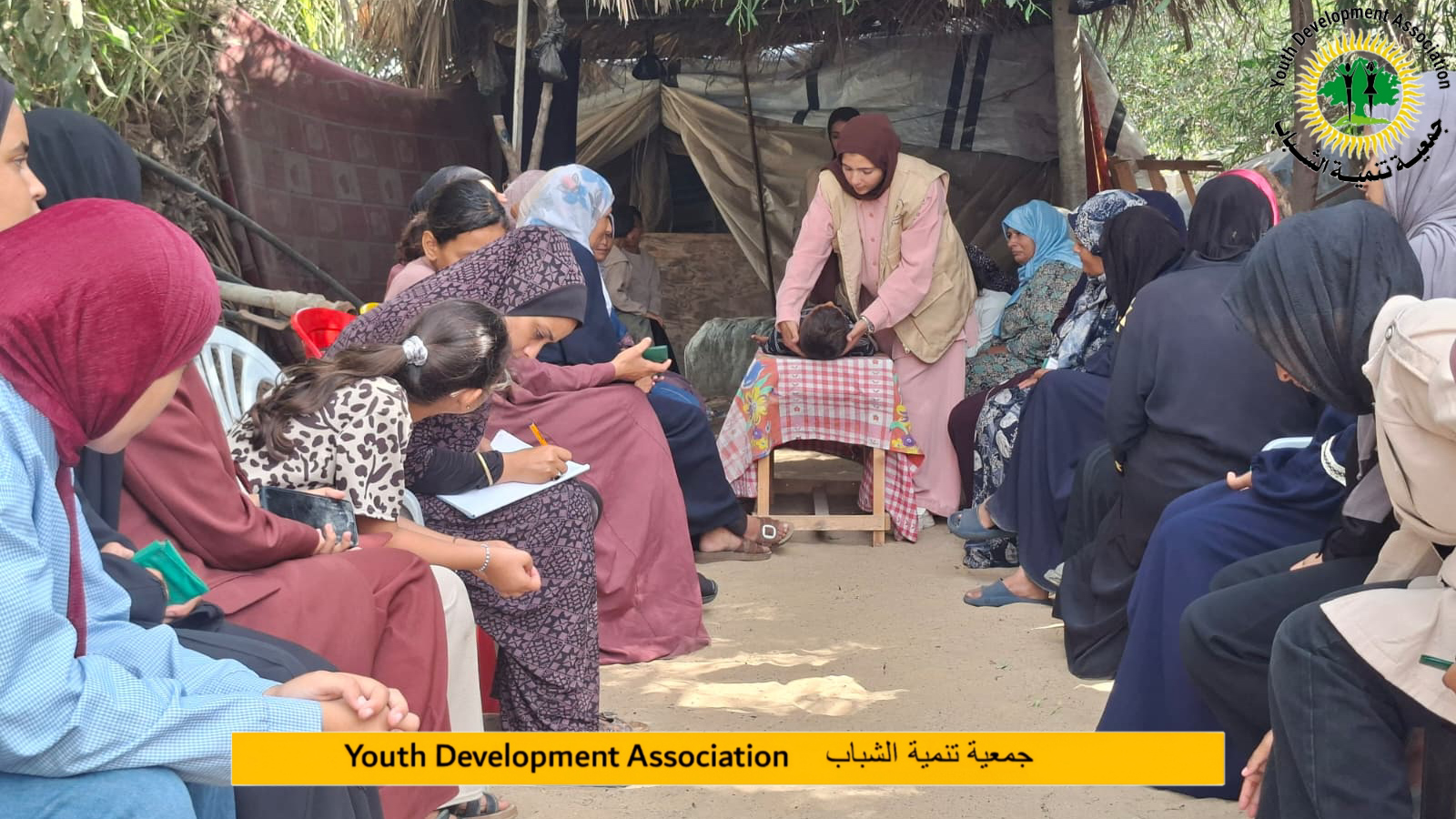
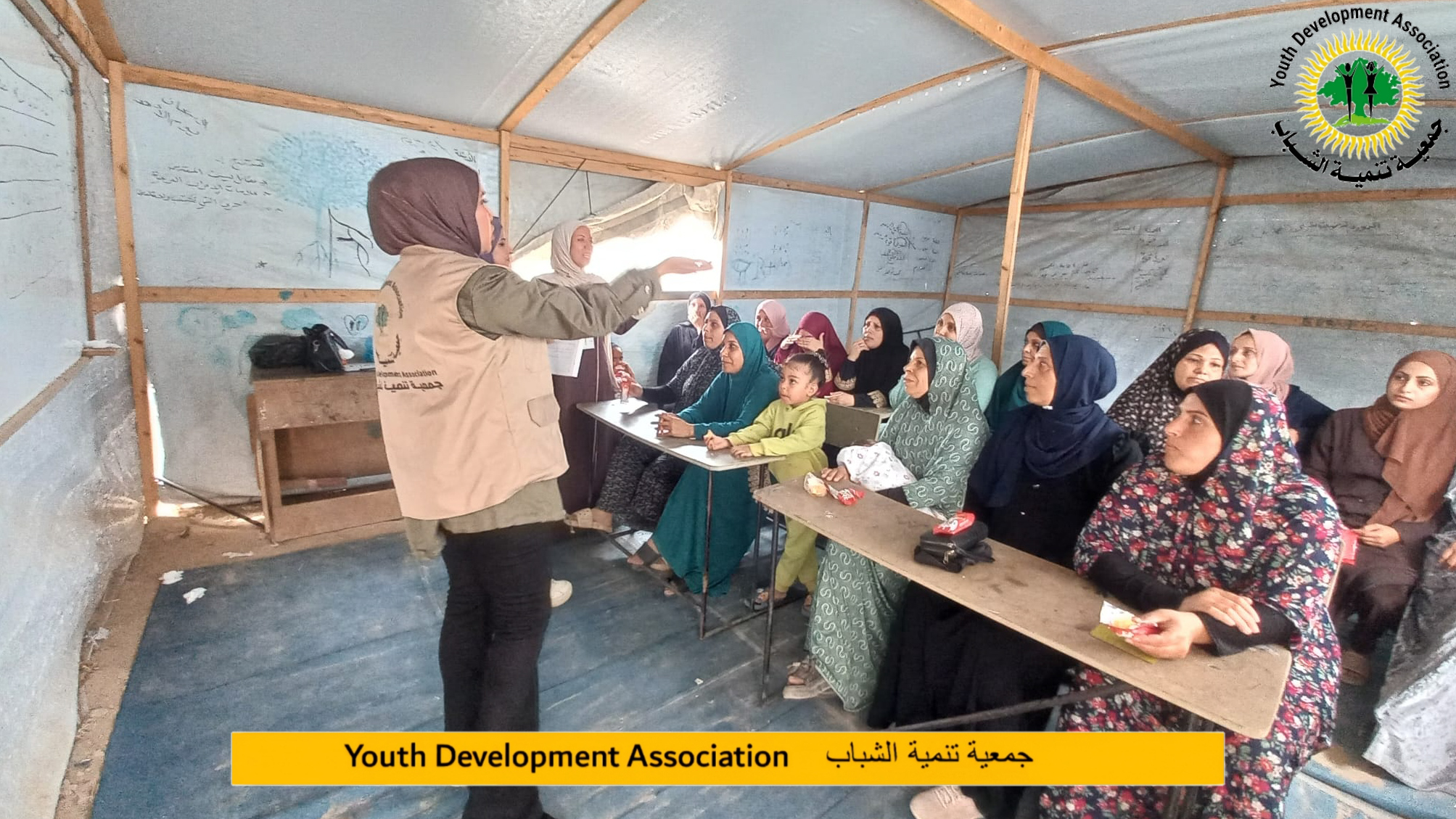
The Youth Development Association conducted an awareness workshop at **Natouf Camp in the Al-Masha’la area of the central Gaza Strip**, focusing on ways to protect families from risks associated with the winter season, particularly under conditions of displacement and residence in camps and shelters.
The workshop highlighted key **health and environmental risks** that may increase during winter, including exposure to cold and damp conditions, the spread of weather-related illnesses, and the accumulation of water and waste. It also emphasized the importance of maintaining personal hygiene and keeping living spaces and shared facilities clean.
The workshop also addressed **safety measures within displacement sites and shelters**, including precautions to reduce the risks associated with heating, fires, slipping, and water leakage, as well as the importance of maintaining safe pathways inside camps and using electricity, lighting sources, and heating devices as safely as possible.
Special attention was given to **protecting children, older persons, and other vulnerable groups** during the winter season. Participants were encouraged to ensure adequate warmth, care, and regular monitoring for those most at risk, and to pay attention to health warning signs that may require intervention or medical assistance. The workshop also emphasized the role of families and communities in providing support and protection to vulnerable individuals.
Participants actively engaged in discussions, asked questions, and shared experiences regarding the challenges families face during winter and the practical measures that can be taken to reduce risks and improve safety within displacement settings.
This activity is part of a series of awareness initiatives implemented by the Youth Development Association across the Gaza Strip, aimed at strengthening community awareness, promoting risk prevention, and supporting families in responding more safely to difficult humanitarian and living conditions.